Flourish your health with plant protein
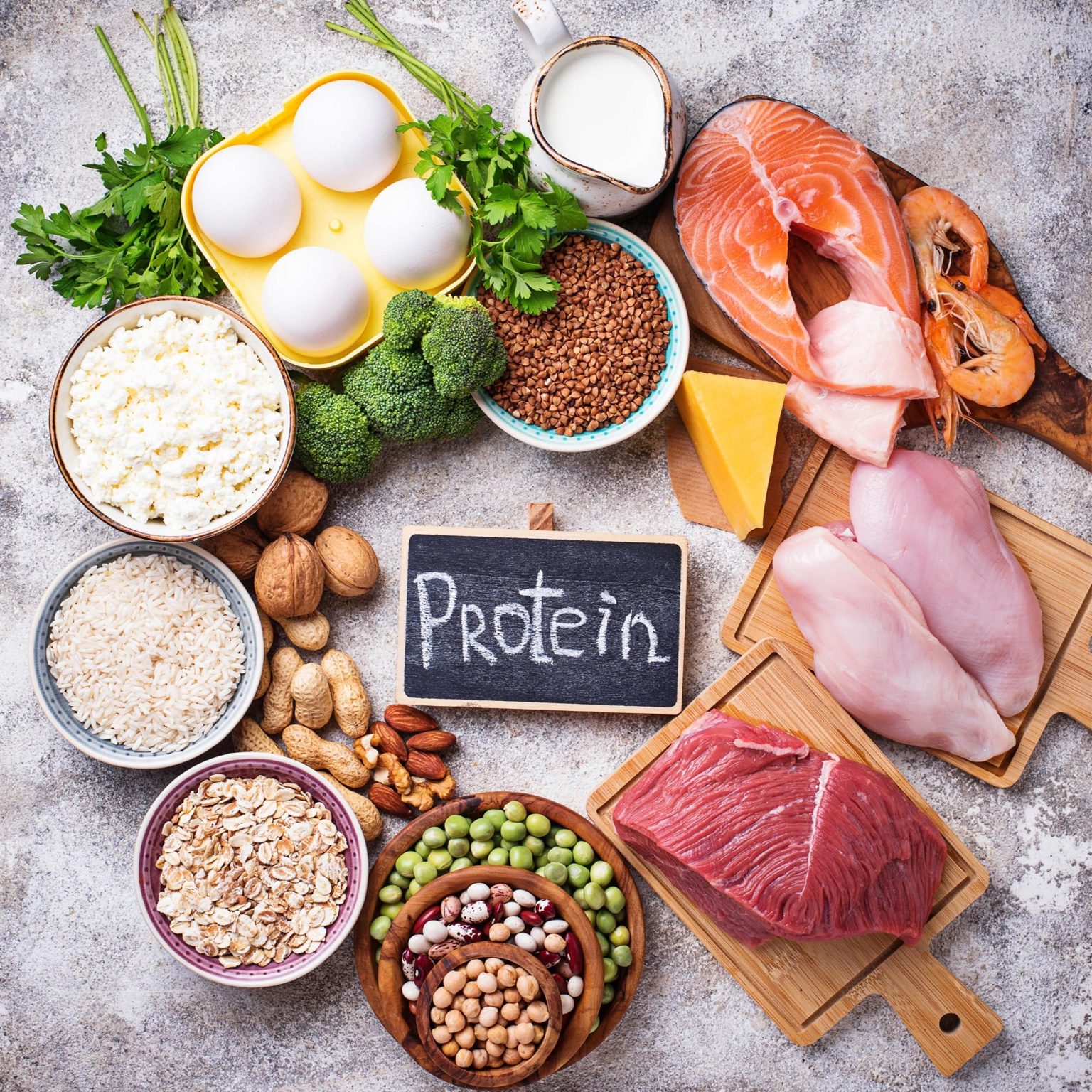
While
the body requires the different types of nutrients, the requirement of protein
in the body is most essential. The name ‘protein’ comes from the Greek word
proteos, meaning “primary” or “first place”. Proteins are the building blocks
of life. Proteins are made up of amino acids that join together to form long
chains. There are 20 amino acids that help form the thousands of different
proteins in the human body.
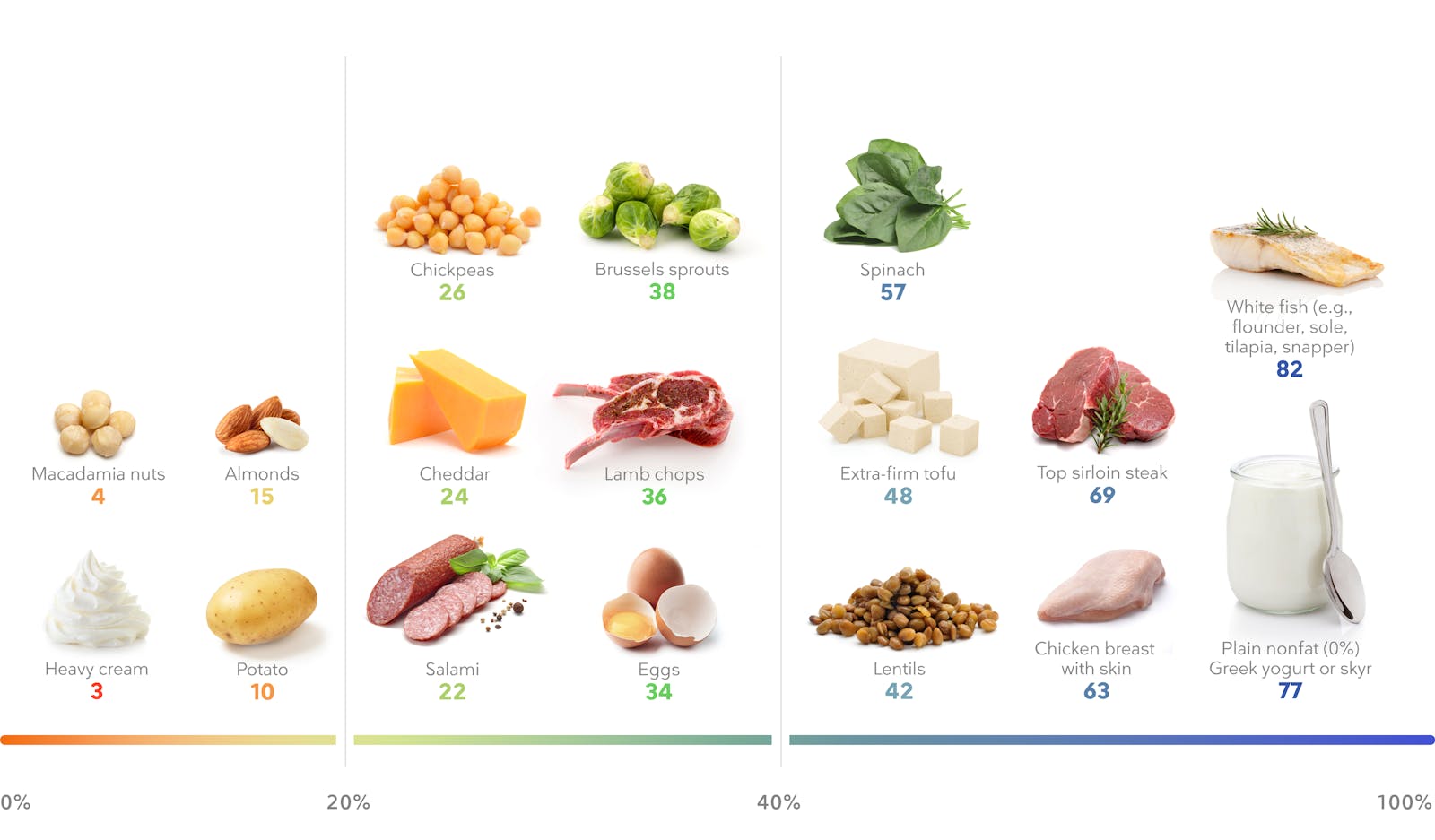
The
body requires sufficient amount of protein, without which there can be severe
health issues like breakdown of tissues leading to loss of muscles. The Dietary
Guidelines for Americans, put together by the U.S. Department of Agriculture
and the U.S. Department of Health and Human Services, recommend the following
daily amounts of protein for different age groups:
· Children aged 4 to 8: 19 grams
· Children aged 9 to 13: 34 grams
· Women and girls ages 14 and over: 46 grams
· Boys aged 14 to 18: 52 grams
· Men aged 19 and over: 56 grams
The Indian Council of Medical
Research (ICMR) recommends that an average adult should consume about one gram
of protein per kg of body weight every day. However, unlike to the
recommendation of the ICMR, the situation in India is quite different. The
Indian Market Research Bureau suggests that protein deficiency in Indians is
more than 80%, and as per the recent National Sample Survey, India has a
declining per capita protein consumption in both urban and rural areas.
The recommended protein
intake for an average Indian man is 54 g/d and for an average Indian woman is
46 g/d, while for children, the recommended daily protein intake is equal for
boys and girls up to 9 years of age.
Even though, we celebrate
another POSHAN Maah in India throughout September, we need to be aware of how
much we know about the importance of protein. Nearly 95% of Indian mothers know
of protein as a macro-nutrient but only 3% really understand the importance of
consuming protein.
Sources of Protein
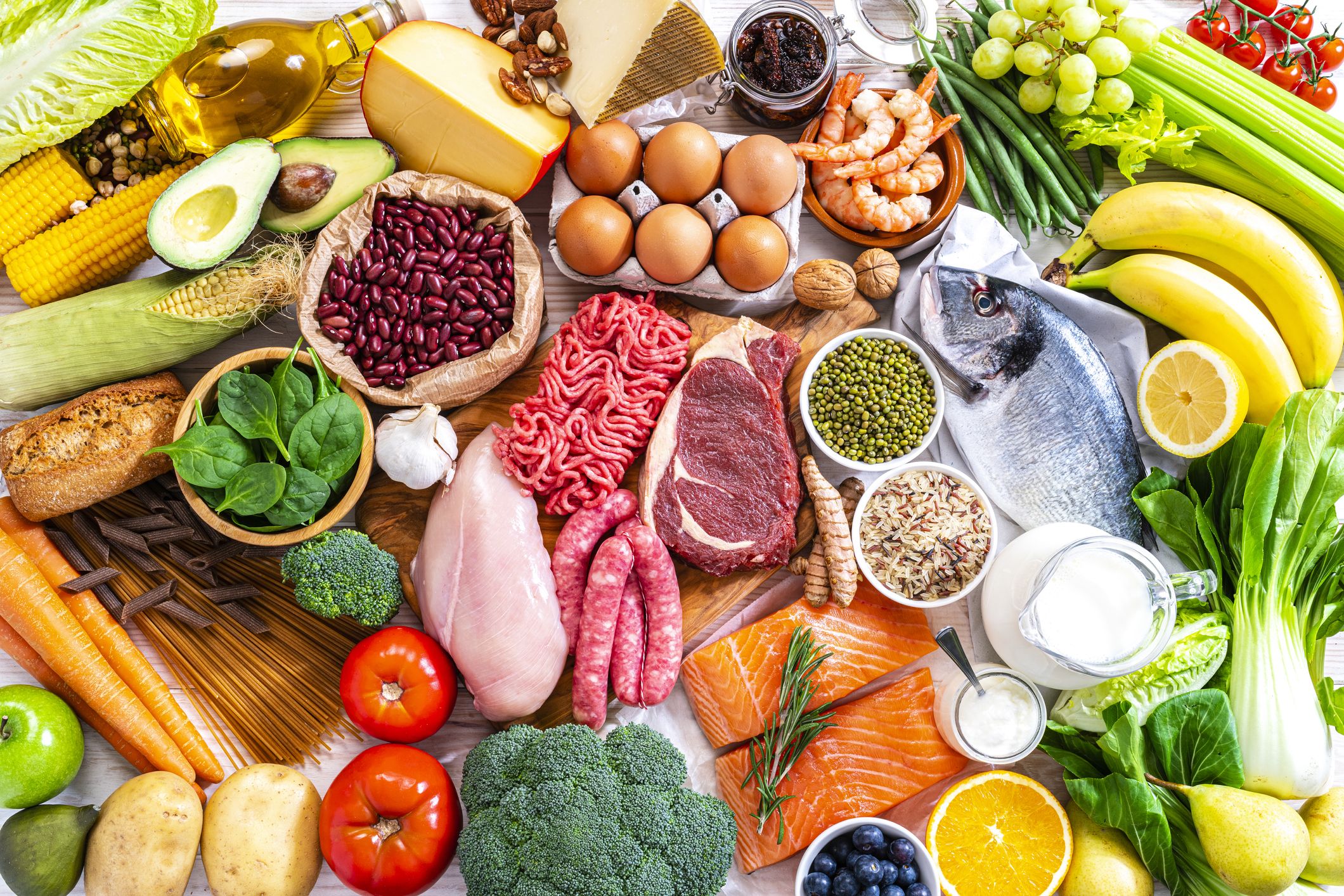
There are several sources of protein,
that can be obtained from animal or plant sources. Some of the high-quality
sources of protein include:
- Fish
- Poultry
- Lean beef or pork (in limited amounts)
- Tofu
- Eggs
- Dairy products
But protein can also be obtained from
plant-based sources. These include:
- Nuts
- Seeds
- Legumes, like beans, peas, or lentils
- Grains, like wheat, rice, or corn
As per ICMR 2020 guidelines, children need up to 1.2 g per kg of body weight proteins every day to lead a healthy life. The intake of cereals should be not more than 40% of the total energy, while for pulses, eggs, and flesh foods the total energy percentage can be around 17%, total fat intake is less than or equal to 30%, while milk and milk products intake should be more than or equal to 300ml/day (ICMR-NIN RDA, 2020).
A well-planned vegetarian diet can
provide all the necessary nutrients, including protein. High protein sources
such soyabeans, tofu, lentils, chickpeas, kidney beans, nuts and seeds are all
great examples of quality vegetarian protein.
Good sources of vegetarian protein are pulses, which also offer other nutrients like fibre and iron. A sentiment is shared by Ms. Inoshi Sharma, Director - Social and Behaviour Change at FSSAI who asserted,
"If you are following a plant-based diet or you are a vegetarian, you get all the requirements of protein. A combination of rice/wheat and dal is a wholesome meal and added with some vegetables and salad, fulfils all the nutritional requirements for the entire day."
How much protein does Indians consume?
The table-1 below shows the trends in
dietary protein and energy intakes in men and women from different areas of
India.

While table 2
shows the sources of dietary protein and protein quality in different diets in
India

While the source
of protein as found from the study are cereals, millets, pulses and legumes,
nuts and oil seeds, fish and flesh food, milk and milk products, the study
shows that consumption of vegetarian foods provides ample source of protein,
that are quite inexpensive compared to fish and flesh foods.
As Dr Raj Bhandari, Member, National Technical Board of Nutrition and Health at NITI Aayog says,
"Consumption of protein-rich food and pulses which are inexpensive and a natural choice, high in fibre and rich source of iron also, need to be made known of, for instance Soybean is a complete protein comparable to animal protein."
It is of utmost importance to learn
about diet diversity wherein multiple sources of protein can be considered
based on consumption patterns, availability, and access for appropriate
diversified good quality protein intake choices.
Importance of plant protein in daily diet
/what-is-plant-protein-and-how-is-it-used-5114486-hero-01-5cdb50b0205c4da1a9b75efa5f2ed198.jpg)
Plant
protein is the protein found in plants only, not from fish or animals. It can
include a variety of foods, though mainly plant proteins are found in nuts
(both raw and roasted), legumes, seeds and beans. Potatoes and some other
vegetables also contain protein, including broccoli, kale, asparagus and
mushrooms.
All plant
protein can be a good alternative of the different sources of protein. All plant
protein can be composed of different sources such as soybean, wheat, and yellow
pea. Soybean is a source of high-quality protein. It is not just a rich source
of plant protein but is also rich in iron, fibre, phosphorus, and several other
vital nutrients. All plant protein powder helps bridge the protein gap and
provide a balanced protein diet, especially for people consuming vegetarian diet
only.
This is the end of my second blog on Staying fit and Healthy. May everyone on this planet be blessed with good health of the body and mind.
References:
- https://medlineplus.gov/ency/article/002467.htm
- https://www.healthline.com/nutrition/functions-of-protein#TOC_TITLE_HDR_11
- https://www.webmd.com/diet/benefits-protein
- https://www.ndtv.com/health/protein-day-2021-special-indias-right-to-protein-needs-immediate-attention-2379790
- https://www.outlookindia.com/website/story/poshan-news-protein-quality-and-quantity-key-factors-to-achieve-good-health-and-combat-malnutrition/396013
- Swaminathan, S., Vaz, M., & Kurpad, A. (2012). Protein intakes in India. British Journal of Nutrition, 108(S2), S50-S58. doi:10.1017/S0007114512002413
- https://www.thespruceeats.com/what-is-plant-protein-and-how-is-it-used-5114486
The article is informative and we'll written. Although everyone knows about proteins and the importance of adequate amount of protein our diets, most are not aware of the various sources of protein, especially plant-based ones, apart from the more common ones. It is informative to know more especially as a parent, andto be ble to incorporate the knowledge in daily life
ReplyDelete